
Last year, Washington state lawmakers made a deal. Recognizing the immediate financial pressures facing many school districts, the legislature lifted the local tax cap for school district located in areas with high property values.
This move allowed Seattle, which had already passed a levy authorizing funding beyond the cap, to quickly collect more local dollars. It also gave other high-property-value districts the opportunity to run new, supplemental levies to bring their collections up to the new limits.
Unfortunately, raising the cap did nothing to support the vast majority of school districts in Washington that don’t have the local property values needed to reach even the old limits. That’s why a broad coalition of educational stakeholders advocated for the second half of the deal, which was the state providing more funding for what’s known as Local Effort Assistance (LEA) or “levy equalization.”
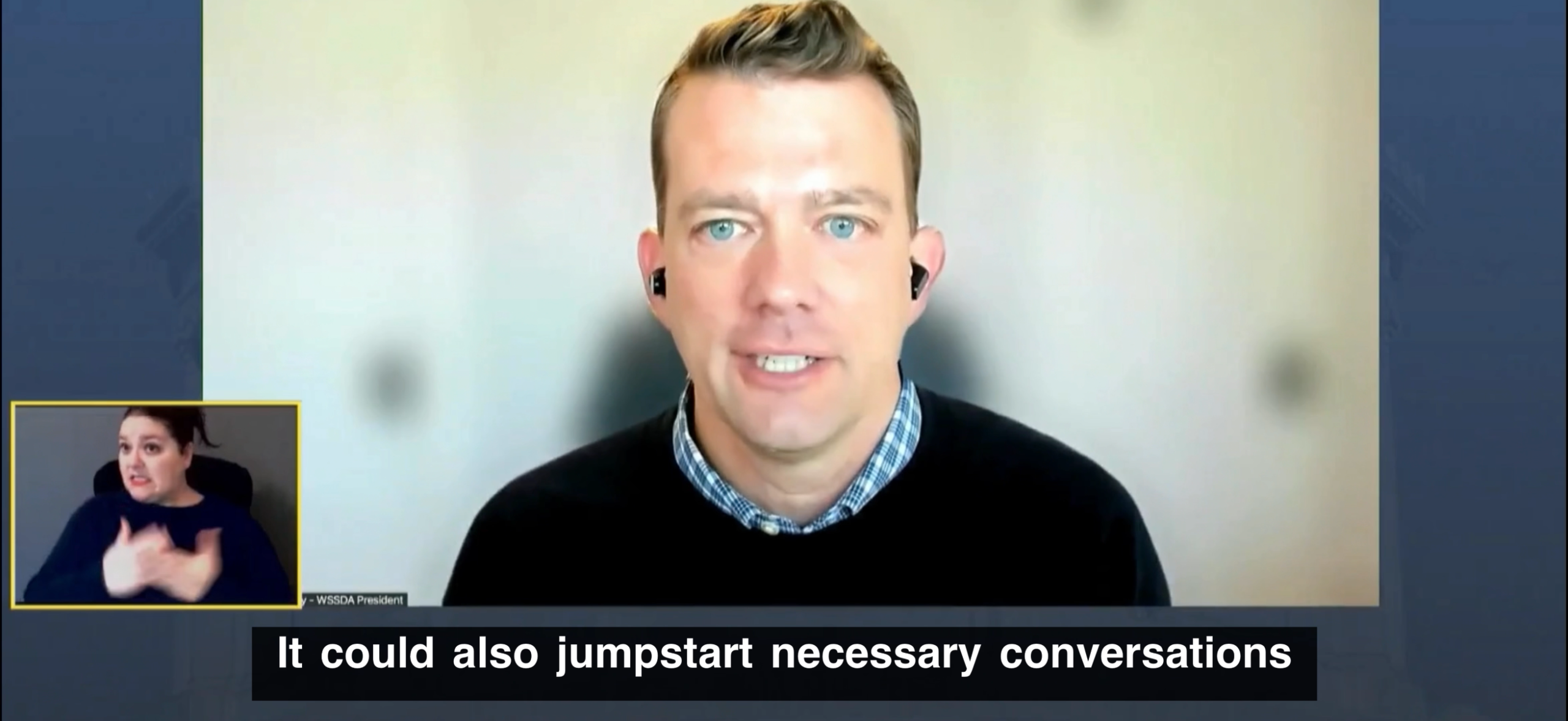
(This video is me testifying to the legislature about the concerns with this funding method.)
The formula is pretty complicated, but LEA is basically a partial state match for local levies. The final budget last year phased in an additional $150 per student in 2026 and $250 per student in 2027.
Unfortunately, the governor’s proposed budget this year walks back that promise, eliminating the 2027 increase and defunding the $150 in the next biennium.
The Office of the State Superintendent maintains a map of districts that currently receive LEA funding. You can see just how important LEA funding is for a number of districts in Walla Walla, Franklin County and the Tri-Cities.
You can also see which parts of the state don’t need to rely on it.
This is a perfect example of why we need voices from Eastern Washington who actually understand education in the Democratic caucus rooms in Olympia. As written in the state’s constitution, “it is the paramount duty of the state to make ample provision for the education of all children residing within its borders.”
That can’t mean raising funds for some parts of the state and then a year later cutting funds for others.