
We Must Invest In Opportunity
Washington’s Community and Technical College system is struggling. To close persistent, intractable budget gaps, community colleges across the state have either closed, or are in the process of closing, entire secondary campuses:
“Like nearly every community college across the state, Peninsula College is navigating significant budget pressures. Last year, we absorbed a 7% budget reduction, approximately $2.2 million, due to enrollment shifts and state funding challenges. We made painful decisions, including closing our Fort Worden campus, eliminating staff positions and reducing expenses across the college. We are continuing to evaluate additional reductions this year as we face a projected shortfall.” – Sequim Gazette, 3/4/26
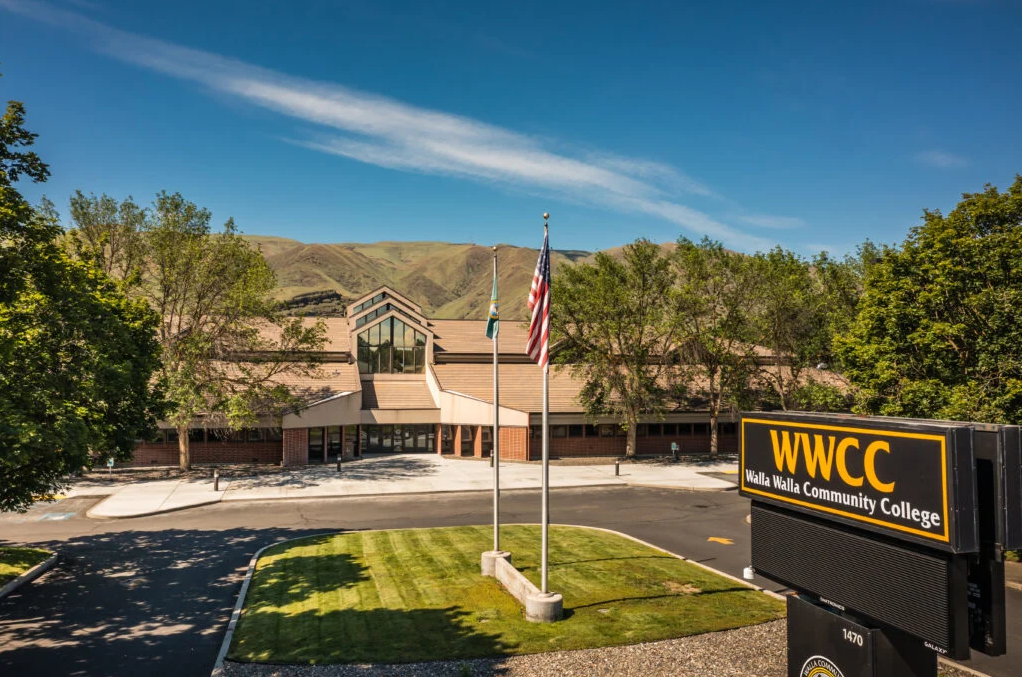
Leaders at Walla Walla Community College say possible cuts being considered by the college, including reduced operations or closure of the Clarkston campus, are not a reflection of the people who work and study there. “It’s not because of the students, it’s not because of the faculty,” said Rebecca Thorpe, a public information officer for the college. “It is only because of the financial constraints that we find ourselves in at this moment.” – NWPB, 3/20/26
Seattle Central, the city’s first community college, is in a budget crisis again. So it’s proposing to shutter the school’s popular “wood shop” program, where about 80 students a year learn carpentry, construction, boatbuilding, furniture-making and so on. Seattle Central is in such dire straits it’s also proposing to sell off the Wood Technology Center, which was built for $25 million in 2012 in the Central District. – Seattle Times, 3/25/26
These are challenging times for higher education. Costs are up, federal funding has been cut, and a demographic shift – fewer graduating high school seniors – is landing just as skepticism about the value of a college degree is increasing. But the programs described above are in areas like nursing and skilled trades, exactly the kinds of “AI-proof” careers that so many kids are being advised to consider right now.
The reality is that these cuts are being driven by desperation, not by any sober, statewide discussion about how our CTC system should evolve to meet changing needs and demands.
When the state makes real cuts to education – those that actually take away seats in programs, like reducing Transition to Kindergarten or forcing community colleges to shutter workforce programs – there’s an immediate loss to citizens. But the longer-term impacts are even larger, as we reduce lifetime opportunities for self-development and financial advancement.
In one of the meetings I’ve been having with local elected officials since I started this campaign, they shared the metaphor that the state spends too much money mopping up spills and not enough fixing the leaky faucets. The comment was in reference to another policy area, but it’s the same issue here. Every dollar the state invests so that individuals can better access opportunity, so that businesses can thrive, and to address small problems before they grow into big ones, comes with a return on investment well beyond what we put in.